Recipes & Storytelling
Exploring the culinary soul of Portugal through curated recipes, nutrition expertise, and the narrative threads that connect traditional ingredients to modern tables.

Featured Recipes
Portuguese-Inspired Chicken Soup
There's a Portuguese soup called canja that everyone here seems to make a little differently. It's the kind of thing you eat when you're sick, when it's cold, or when you just need something gentle and nourishing. The base is always chicken and rice in a golden broth, but beyond that, the details shift from kitchen to kitchen.
This is my version—a little heartier than traditional canja, with celery, leeks, and the essential Portuguese cabbage (couve portuguesa) that grows so beautifully here in winter. You can substitute collard greens or kale if you do not have access to Portuguese cabbage. It takes time—mostly hands-off simmering—but that's the point. The house smells like bay leaves and slow-cooked chicken, and by the time it's ready, you've earned the bowl in front of you.
INGREDIENTS
For the Broth:
-
1 whole chicken
-
12 cups cold water
-
1 large onion, quartered
-
2 bay leaves
-
4-5 whole black peppercorns
For the Soup:
-
3 tablespoons olive oil
-
2 stalks celery, sliced
-
1 medium leek, sliced (white and light green parts)
-
3 cloves garlic, finely chopped
-
8 cups homemade chicken broth (from above)
-
Reserved cooked chicken, chopped (about 3 cups)
-
3 cups Portuguese cabbage, roughly chopped
-
Salt and pepper to taste
-
Fresh parsley or cilantro, chopped (for serving)
METHOD
Make the Broth (Can be done 1-2 days ahead):
-
Roast the chicken: Preheat oven to 375°F (190°C). Roast the whole chicken for 1 to 1½ hours until cooked through. Let cool completely.
-
Strip the meat: Once cool, remove all the good meat from the chicken. Chop it and store in the fridge. Save the carcass—bones, skin, everything.
-
Simmer the broth: Place the chicken carcass in a large stockpot with 12 cups cold water, quartered onion, bay leaves, and peppercorns. Bring to a boil, then skim off any foam that rises to the surface.
-
Low and slow: Reduce heat to low and simmer gently for 3 hours. The liquid will reduce as it simmers—add more water if it gets too low.
-
Strain: Let cool for 30 minutes, then strain the broth through a fine-mesh strainer into a large bowl. Discard solids. Use immediately or refrigerate up to 2 days (or freeze for later).
Finish the Soup:
-
Sauté the vegetables: In a large soup pot, heat olive oil over medium heat. Add celery and leek. Cook for 5-6 minutes until softened and fragrant.
-
Add garlic: Stir in chopped garlic and cook for 1 minute more (don't let it burn).
-
Add broth: Pour in 8 cups of your homemade broth and bring to a simmer.
-
Add chicken: Stir in the reserved chopped chicken and heat through (about 2-3 minutes).
-
Add cabbage: Add the Portuguese cabbage and cook for 8-10 minutes until tender but still bright green.
-
Season: Taste and adjust with salt and pepper. Portuguese cabbage is mild, so it needs good seasoning.
-
Serve: Ladle into bowls and top with fresh parsley or cilantro. Serve hot with crusty bread for dipping.
MAKE IT SIMPLER
Short on time? Skip making broth from scratch. Use store-bought chicken stock (look for good quality) and add rotisserie chicken meat instead. You'll lose some depth of flavor, but you'll have soup in 30 minutes.
Can't find Portuguese cabbage? Use collard greens or kale instead. They're sturdier than Portuguese cabbage, so add them a few minutes earlier.
NOTES FROM MY KITCHEN
-
Portuguese cabbage (couve portuguesa) is different from kale—it's milder, more tender, with flat leaves. You'll find it in Portuguese markets or specialty stores. It's worth seeking out.
-
The broth freezes beautifully. I often make a double batch and freeze half for future soups.
-
This soup is even better the next day after the flavors have had time to marry. Store in the fridge for up to 3 days.
-
Serve with good bread. In Portugal, we'd have broa (cornbread) or crusty white rolls. Use what you have.
Serves: 6-8
Time: 4-5 hours total (mostly hands-off) OR 45 minutes with shortcuts
Season: Winter, when you need warmth and comfort


COCONUT RED PEPPER PORK STEW
This is the stew I make when it's been raining for days and I want something that fills the house with warmth.
Pork shoulder simmered low and slow in coconut milk with red pepper sauce, mushrooms, and leeks. It's rich without being heavy. The kind of dish that cooks itself while you do other things—read, work, stare out the window at the rain.
I started making this during winter in Portugal when I was craving something warming but wanted to use the coconut milk I always have in the pantry. The red pepper sauce (molho de pimentos) is something you find in Portuguese grocery stores—bright, slightly sweet, with depth. If you can't find it, tomato purée works, though you'll lose some of that sweetness.
The beauty of this stew is in the long, slow cooking. Three hours in the oven transforms tough pork into something tender enough to pull apart with a fork. The coconut milk mellows the peppers. The mushrooms add earthiness. It's comfort in a bowl.
Serve it with rice, crusty bread, or roasted potatoes. Or just eat it straight from the pot standing at the stove because you can't wait.
INGREDIENTS
-
2 tablespoons olive oil
-
1½ lbs pork shoulder or loin, cut into 1-inch chunks
-
2 cloves garlic, minced
-
1 leek (white and light green parts only), cleaned and sliced into rounds
-
2 cups mushrooms, sliced (cremini or button work well)
-
1 cup red pepper sauce (molho de pimentos)
-
1 can (14 oz) full-fat coconut milk
-
1 teaspoon smoked paprika
-
1 teaspoon dried oregano
-
Salt and black pepper to taste
-
Fresh cilantro, chopped (for serving)
METHOD
-
Preheat oven: Set to 300°F (150°C).
-
Brown the pork: Heat olive oil in a Dutch oven over medium heat. Add pork chunks and cook for 2-3 minutes until they start to brown on the edges. Don't worry about cooking them through—they'll finish in the oven.
-
Sauté vegetables: Add garlic, sliced leek, and mushrooms. Cook for about 5 minutes, stirring occasionally, until everything starts to soften and smell fragrant.
-
Build the stew: Pour in red pepper sauce, coconut milk, smoked paprika, and oregano. Stir to combine. Bring to a gentle bubble.
-
Slow cook: Cover the Dutch oven with the lid and transfer to the oven. Cook for 2½ hours. The pork will become incredibly tender and the flavors will deepen.
-
Finish uncovered: After 2½ hours, remove the lid, increase oven temperature to 400°F (200°C), and cook for another 30 minutes. This concentrates the sauce and creates a richer stew.
-
Season and serve: Remove from oven. Taste and adjust seasoning with salt and pepper (you'll likely need both). Ladle into bowls and top with fresh chopped cilantro.
MAKE IT SIMPLER
Can't find red pepper sauce? Use tomato purée or passata instead. Add a pinch of sugar and a splash of red wine vinegar to mimic the sweetness and acidity of pepper sauce.
Short on time? This works on the stovetop too. Simmer covered on low heat for 2 hours, then uncovered for 30 minutes. Just watch it doesn't stick to the bottom.
Want it spicier? Add a pinch of red pepper flakes or a chopped fresh chili when you add the garlic.
NOTES FROM MY KITCHEN
-
Pork shoulder vs. loin: I prefer shoulder for stews—it has more fat and stays juicier during long cooking. Loin works too, just don't overcook it.
-
Red pepper sauce (molho de pimentos) is a Portuguese staple. Look for it in the condiment aisle or Portuguese specialty stores. It's worth seeking out if you can find it.
-
Leek prep: Leeks hide dirt between their layers. Slice them first, then rinse thoroughly in a bowl of cold water. Let the grit settle to the bottom.
-
This stew freezes beautifully. Make a double batch and freeze half for a future rainy day.
-
Leftovers improve. Like most stews, this tastes even better the next day after the flavors have had time to marry.
-
Serving suggestions: I serve this over white rice or with crusty bread for dipping. Roasted sweet potatoes on the side are excellent too.
Serves: 4
Time: 3 hours 20 minutes (20 min active, 3 hours passive)
Season: Fall through winter, when you want warmth and comfort

Whole orange and fig Blender Cake
Every winter, when the oranges hang heavy on our trees here in Portugal, my kitchen holds memories of voices that aren't here right now.
In winters past, when children of friends and family visited from Canada, they would race between the orange trees, picking fruit still warm from the pale winter sun, then run breathlessly to the kitchen to make fresh juice—their faces a mixture of shock and delight at how different fresh-picked tastes from anything back home.
This cake was born from one of those moments. From watching them, juice-sticky and glowing, carrying their harvest inside like treasure. I wanted to capture that brightness—our Portuguese oranges meeting the sweet dried figs that linger from Christmas markets.
The whole orange goes in, peel and all. Just like how the kids ate them: fearlessly, completely, waste nothing. The blender does all the work while I remember them pressing their noses against the kitchen window, counting how many more oranges they could pick before lunch.
When the cake emerges golden and fragrant, studded with tender fig pieces, it smells like both countries at once. Portuguese winter sun baked into sweetness. Canadian excitement turned into something we can gather around—even when miles apart.
They don't know yet that years from now, wherever they are, the scent of orange and fig will bring them right back here. To these trees. This kitchen. Those exact moments of joy.
INGREDIENTS
For the Cake:
-
1 large organic orange (about 200g), washed very well
-
3 large eggs
-
1 cup granulated sugar
-
1 teaspoon vanilla extract
-
½ cup extra virgin olive oil (use good quality—you'll taste it)
-
1½ cups all-purpose flour
-
1½ teaspoons baking powder
-
½ teaspoon baking soda
-
¼ teaspoon salt
-
½ cup dried figs, roughly chopped
METHOD
-
Preheat oven: Set to 350°F (175°C). Grease a 9-inch round cake pan (or loaf pan) and line the bottom with parchment paper.
-
Prep the orange: Cut the whole orange (peel and all) into quarters. Remove any seeds—they'll make the cake bitter.
-
Blend the wet ingredients: Place orange quarters in your blender. Add eggs, sugar, vanilla, and olive oil. Blend on high speed for 1-2 minutes until completely smooth. You shouldn't see any chunks of peel—it should look like thick, bright orange juice.
-
Add dry ingredients: Add flour, baking powder, baking soda, and salt directly to the blender. Pulse a few times, then blend on low speed for just 10-15 seconds—only until you don't see dry flour anymore. Don't overmix or your cake will be tough.
-
Add figs: Add chopped dried figs and pulse 2-3 times (about 10 seconds total) just to distribute them. You want them in pieces, not blended smooth.
-
Bake: Pour batter into your prepared pan. Bake for 40-45 minutes, until a toothpick inserted in the center comes out clean and the top is golden brown. Your kitchen will smell like those winter afternoons with the kids racing in from the garden.
-
Cool: Let cool in the pan for 10 minutes, then turn out onto a wire rack to cool completely. The cake is delicate when hot but firms up as it cools.
MAKE IT SIMPLER
No dried figs? Leave them out entirely. The orange cake on its own is wonderful—bright, moist, sunshine in every bite.
Can't find organic oranges? Scrub conventional oranges very thoroughly with hot water and a vegetable brush. You're eating the peel, so this matters.
Want it sweeter? Dust with powdered sugar before serving or drizzle with a simple orange glaze (powdered sugar + fresh orange juice whisked together).
Different pan? This works in a loaf pan too. Bake time might increase by 5-10 minutes. Test with a toothpick.
NOTES FROM MY KITCHEN
-
Use the whole orange, peel and all. That's where most of the flavor lives—all that bright winter sunshine captured in the oils of the peel. Just make sure it's organic or very well scrubbed.
-
The olive oil matters. Use good quality extra virgin olive oil. You'll taste it in the finished cake—it adds richness and a subtle fruity note that belongs here.
-
This cake improves with age. It's good the day you bake it, but even better the next day after the flavors have settled. Store wrapped in the fridge for up to 5 days.
-
Portuguese tradition: Cakes made with whole citrus are common in Portugal and throughout the Mediterranean. Nothing goes to waste when fruit is this good.
-
Figs in winter: Dried figs are everywhere in Portugal during winter, especially around Christmas. They're sweet, jammy, and pair beautifully with the brightness of fresh oranges.
-
Freezes beautifully. Wrap individual slices tightly and freeze for up to 3 months. Thaw at room temperature and you're right back in this moment.
-
Serving suggestions: This isn't overly sweet, so it works for breakfast with coffee, afternoon with tea, or dessert with a small glass of sweet wine. I love it with thick Greek yogurt.
Serves: 12-16 slices
Time: 1 hour (20 min active, 45 min baking)
Season: Winter, when oranges hang heavy on the trees
Photography in 2026
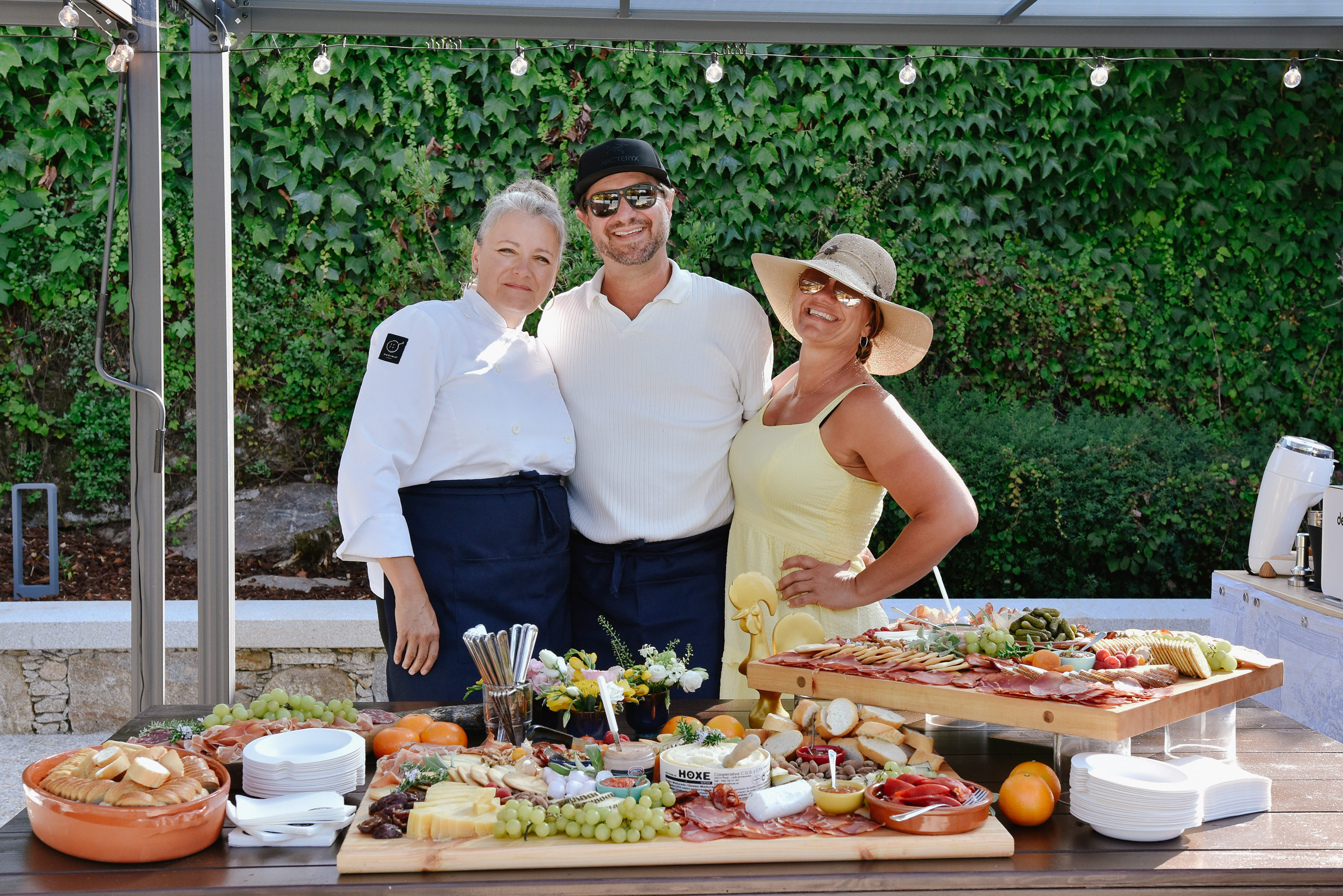
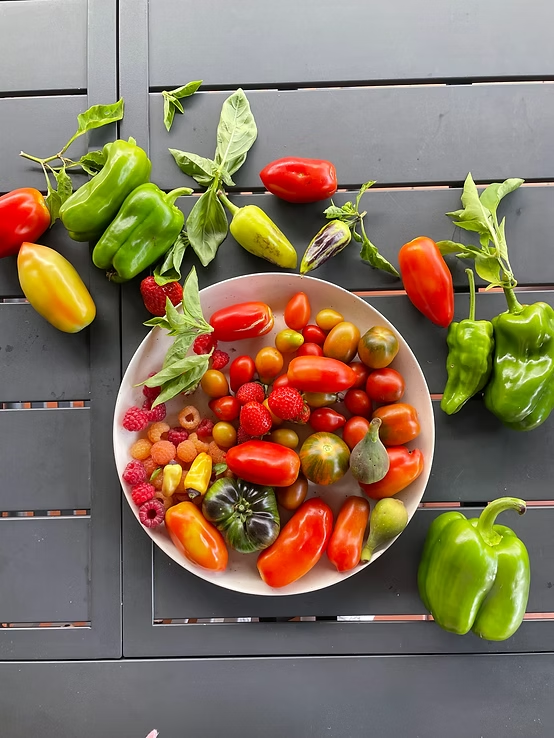
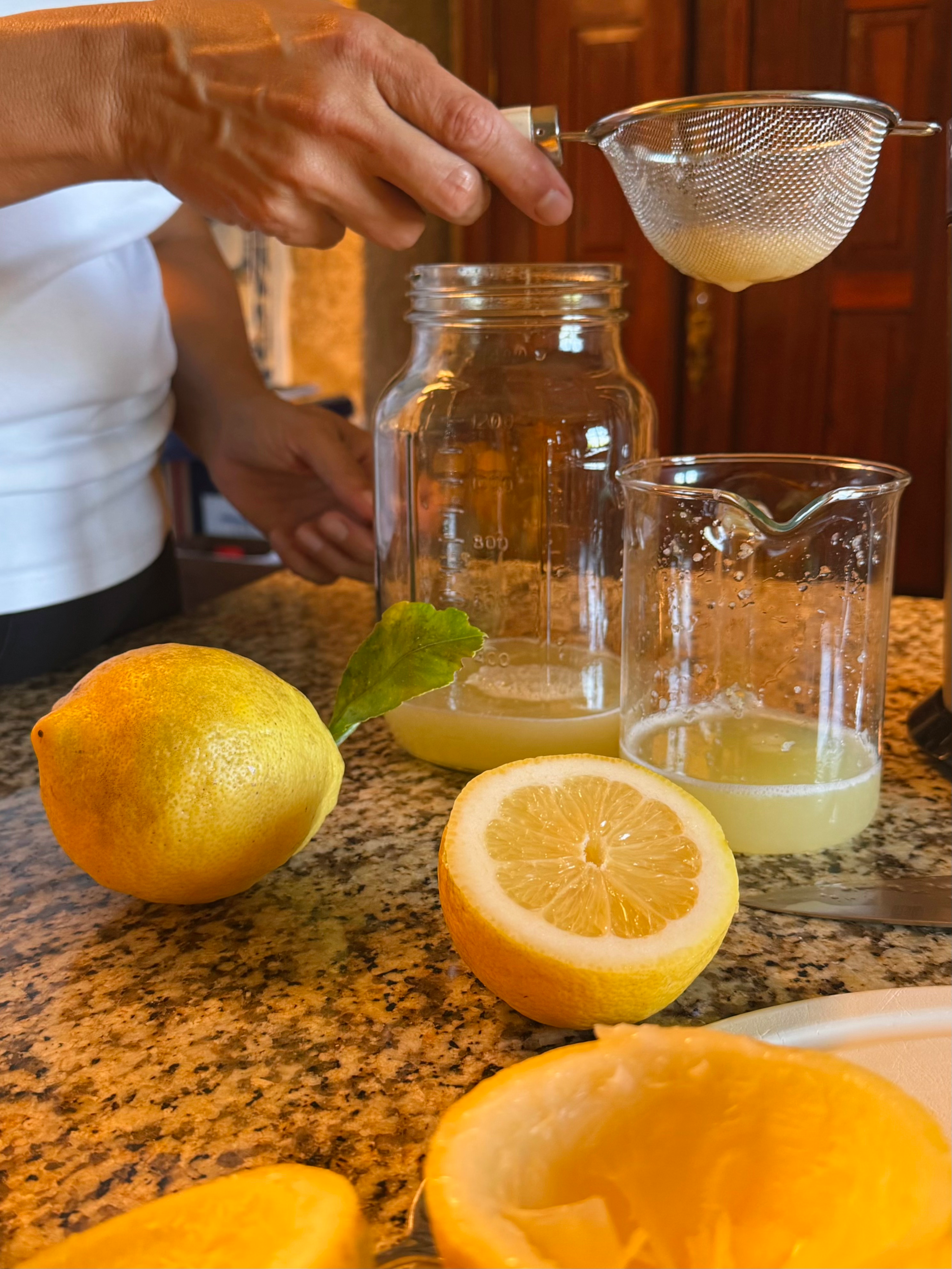
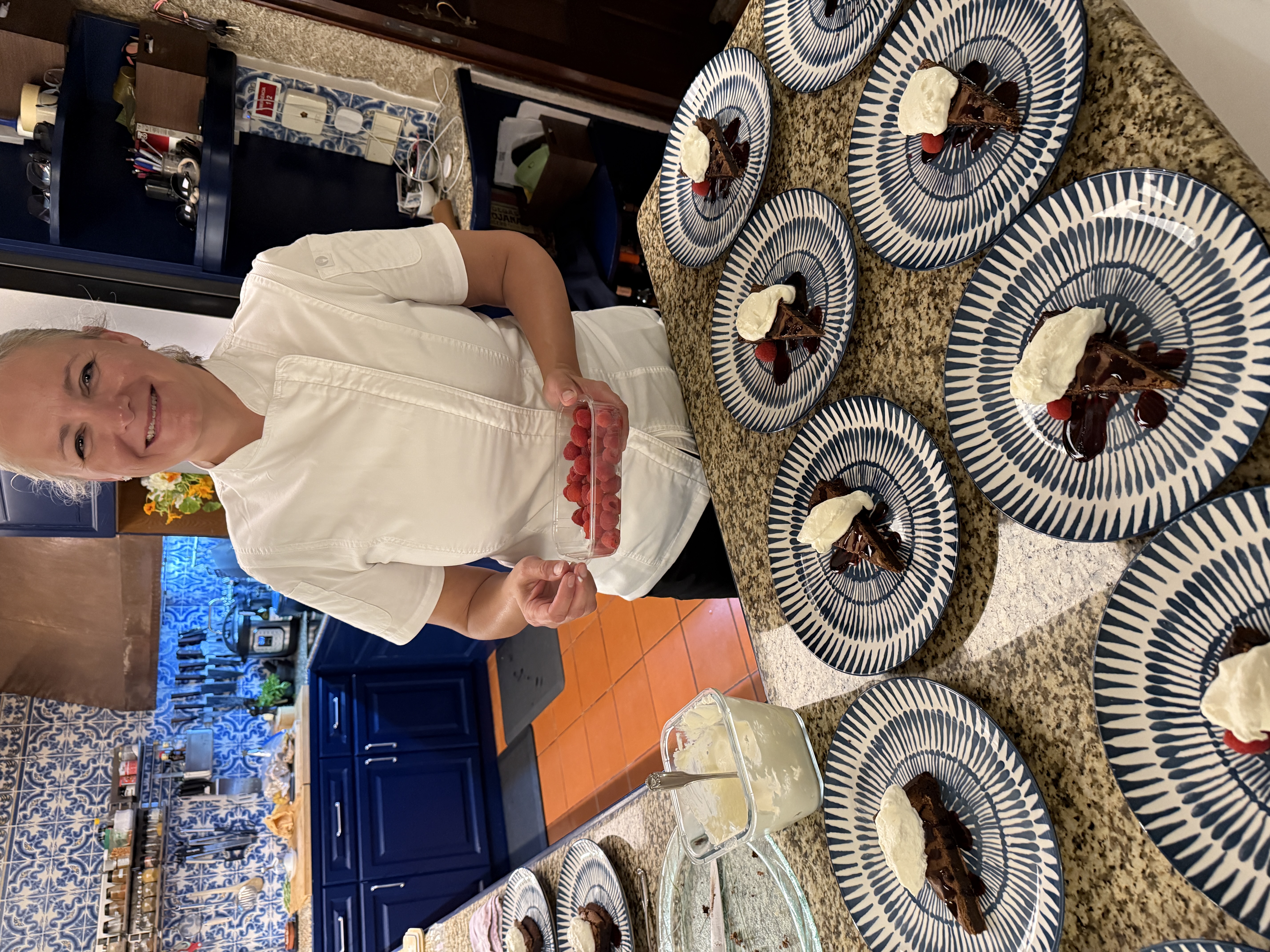
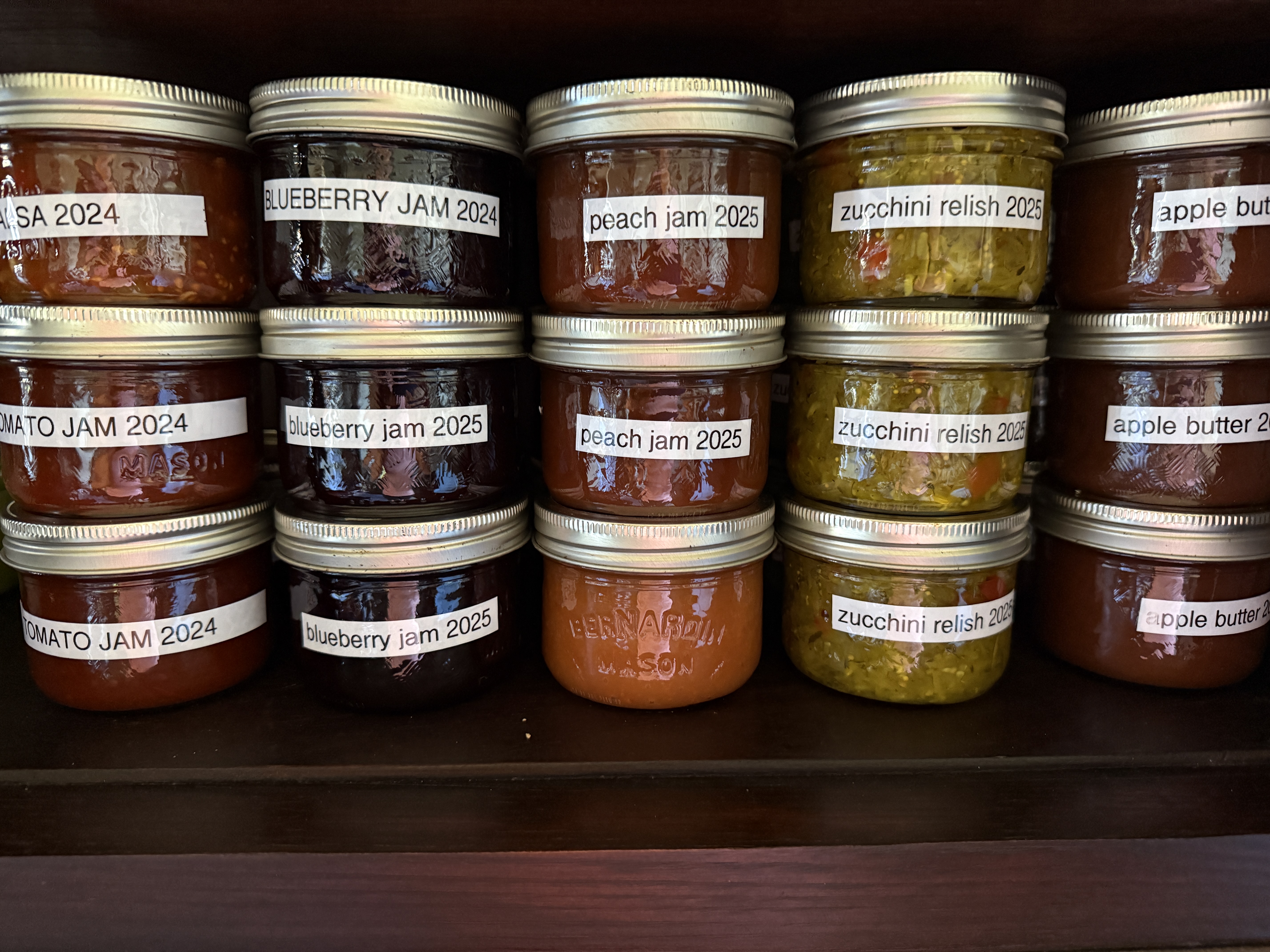
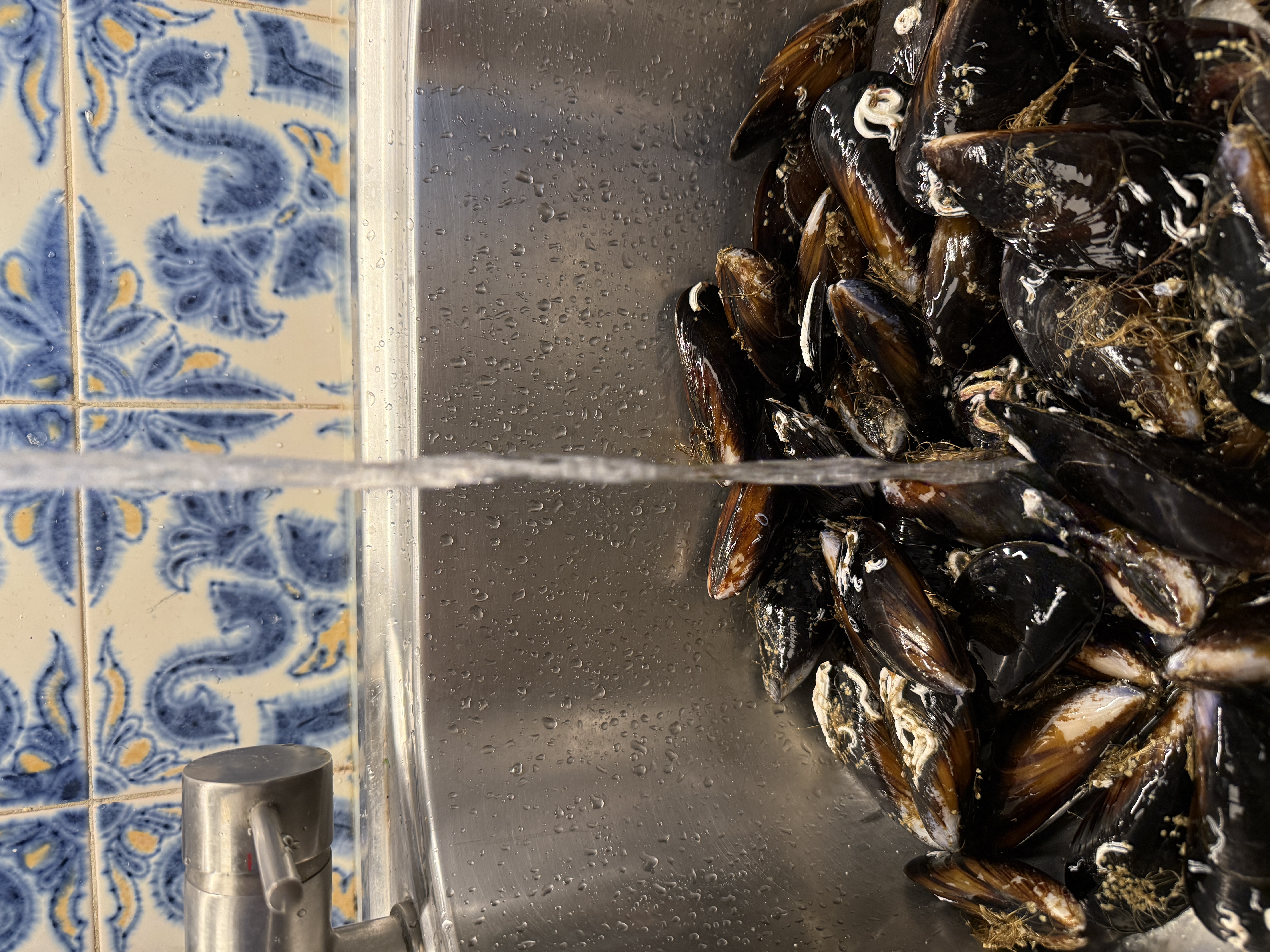
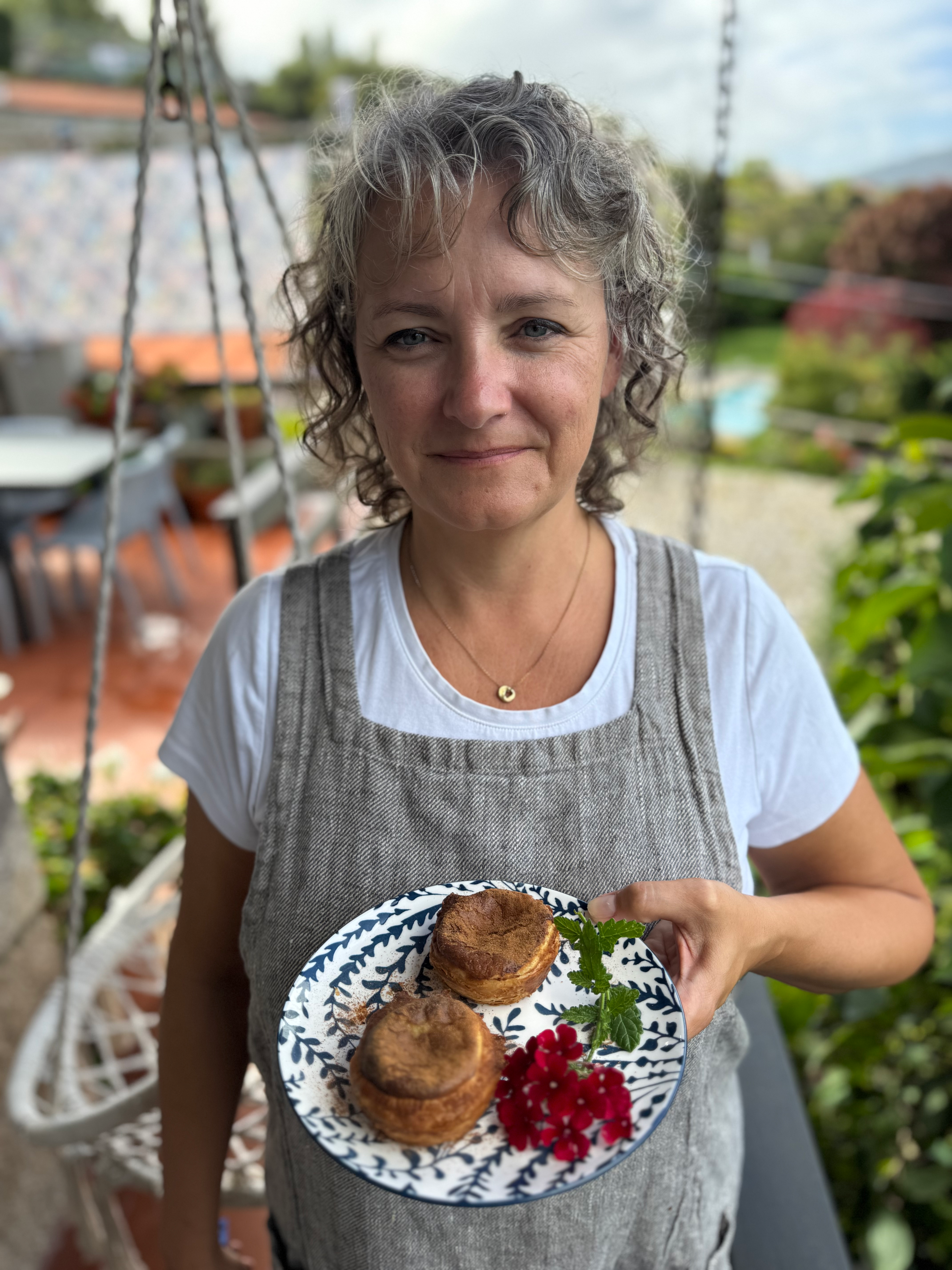
In 2026, consumers are rejecting overly styled, perfectionist food photography. They want real food, real kitchens, real moments—the kind of images that feel like a trusted friend sharing a recipe, not a magazine shoot.
This shift is especially important for Portuguese food brands entering English-speaking markets. North American consumers don't want another polished, aspirational product—they want to see how your olive oil actually looks drizzled on morning toast, how your conservas become a quick weeknight dinner, how your cheese fits into their real lives.
My food photography embraces this authentic approach:
-
Natural light and real kitchen settings
-
Imperfect, lived-in moments that build trust
-
Food that looks delicious and achievable, not intimidating
-
Images that work across Instagram, websites, and packaging
The result? Content that connects emotionally with consumers and drives actual purchase decisions, not just admiration. Portuguese products deserve photography that honors their authenticity—not images that try to make them look like something they're not.









Let's Talk
Ready to build brand awareness for your Portuguese products in English-speaking markets?
Get in touch.